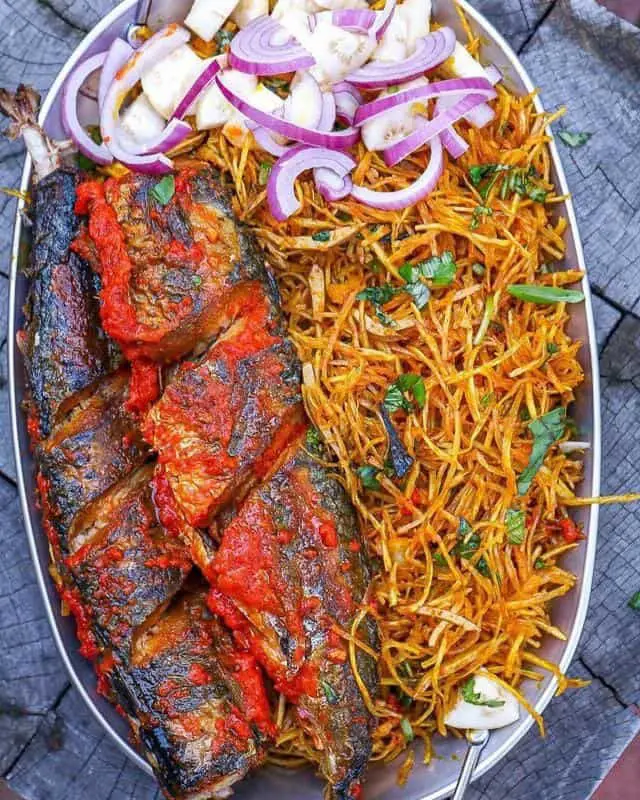

What is African Salad (Abacha)?African Salad, popularly known as Abacha, is a vibrant cassava-based dish that originates from the Igbo people of Eastern Nigeria. It is made from shredded, dried cassava that is softened and mixed with a richly seasoned palm oil sauce, local spices, and a variety of vegetables and proteins.Unlike the leafy salads many people are used to, African Salad is savory, smoky, and slightly crunchy, with layers of flavor from fermented ingredients, dried seafood, and aromatic herbs. It is often served as a special snack, light meal, or party food and is a staple at festive gatherings, village meetings, and celebrations across Eastern Nigeria and beyond.A Taste of Igbo Culture in a BowlAbacha is more than just a meal; it is a cultural experience that reflects the resourcefulness and creativity of Igbo cuisine. Cassava, a hardy root crop, is processed into thin slices, cooked, and sun-dried to create abacha flakes that can be stored for long periods. When it is time to cook, these flakes are simply rehydrated in warm water and transformed into a colorful dish within minutes.Traditionally, Abacha is enjoyed in compounds, markets, and street food spots, often served in enamel plates or local bowls and shared among friends and family. The dish brings together different textures: the chewiness of cow skin (ponmo), the crunch of garden eggs, the softness of ugba (fermented oil bean), and the silkiness of palm oil sauce. Every spoonful is a reminder of the flavors and memories of home for many Nigerians in the diaspora.Key Ingredients You’ll NeedTo make authentic African Salad, you will need a combination of base, flavoring, and garnish ingredients.

Quantities can be adjusted to taste and serving size, but a standard household batch often includes:Abacha (dried shredded cassava flakes)Palm oilFood-grade potash or baking soda (very small quantity, to thicken and “bleach” the oil)Ugba/ukpaka (fermented oil bean slices)Crayfish (ground)Dried fish, stockfish, smoked fish, or fried fishPonmo (cow skin), cooked and chopped (optional but popular)Ground pepper (fresh, dry, or both)Onion (sliced into rings or thin strips)Seasoning cubes and salt Ehuru/ehu (calabash nutmeg), ground (for aroma)Utazi leaves, scent leaves, or bitter-sweet greens (finely sliced)Garden eggs or cucumber slices for serving and garnishYou can find many of these ingredients in African or international grocery stores, especially abacha flakes, ugba, dried fish, and local spices. If ugba or specific leaves are unavailable where you live, you can still make a delicious version by focusing on the cassava base, palm oil sauce, and whatever vegetables and proteins you have on hand
Step-by-Step Recipe
How to Make African Salad
▪️Abacha is surprisingly easy to make once the ingredients are prepped. The steps below describe a classic home-style method:
▪️Soften the abachaPick out any dirt from the dried cassava flakes
▪️Soak the abacha in hot or very warm water for a few minutes until it softens and becomes pliable.
▪️Drain the water and set the softened flakes aside in a sieve or bowl.
▪️Prepare the potash mixture
▪️Dissolve a small amount of edible potash or baking soda in a little water.
▪️Strain to remove any residue, keeping only the clear solution
▪️This liquid will be used to transform the palm oil into a thick, orange-yellow sauce.
▪️To Make the palm oil Sauce pour palm oil into a large bowl or pot
▪️Add the potash solution gradually while stirring.
▪️As you stir, the oil will change color and thicken into an almost creamy, orange paste.
▪️Add ground crayfish, ground pepper, ground ehuru, seasoning cube, and a pinch of salt.
▪️Taste and adjust seasoning, keeping in mind that fish and other proteins will also add flavor.
▪️Add ugba and Proteins rinse ugba in warm water and, if desired, briefly warm it in a small pot with a splash of water.
▪️Stir the ugba into the palm oil sauce so it absorbs the flavor.
▪️Add your prepared fish, ponmo, or meat, making sure they are deboned and cut into bite-size pieces
.▪️Combine with the abacha Add the softened abacha flakes into the bowl of sauce in batches
.▪️Gently toss and stir until every strand is coated with the rich orange mixture.If the salad seems too dry, a little warm water or more palm oil can be added sparingly.

Leave a Reply